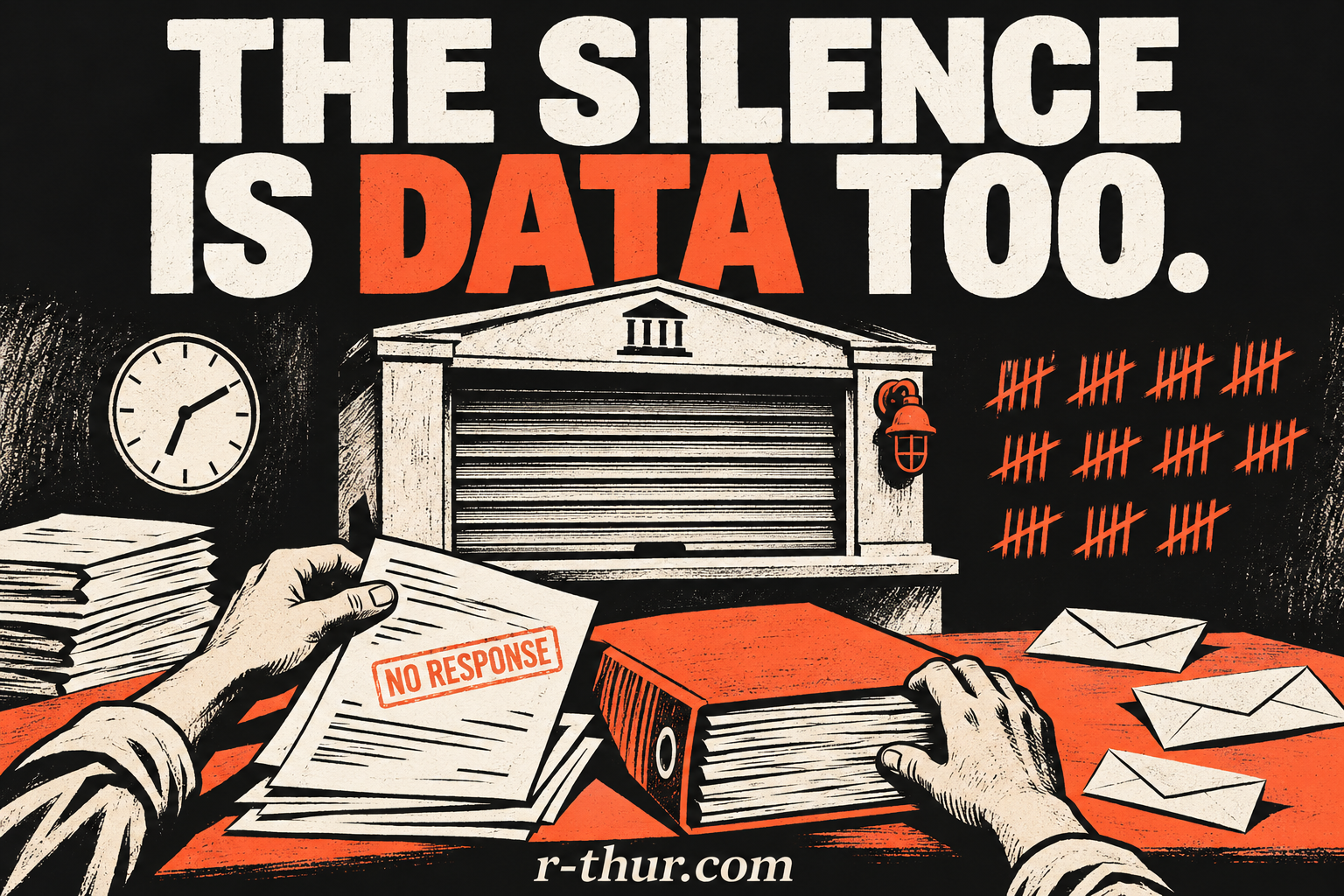
When people hear the word data, they tend to think of surveys, spreadsheets and statistics. Numbers collected by researchers, presented in reports and discussed at conferences. But data also exists in the experiences we too often dismiss as frustration. The unanswered application. The fifth follow-up email. The months spent negotiating an agreement that never materializes. These things can be recorded, compared and examined. They tell us something about how a system functions.
When tourism uses culture to promote a destination, we should be able to examine what support flows back to the people creating and sustaining that culture. Funding awarded, proposals declined, partnerships delivered and commitments left unfulfilled are all relevant. The gap between celebrating culture and investing in it can be documented. That gap is data too.
An application submitted to a funding institution produces more than an approval or rejection. There is the time required to prepare it, the information requested, the response period and the explanation provided. If no answer arrives, that absence belongs in the record. If applicants repeatedly have to chase a decision, that pattern deserves attention. Silence does not stop being measurable simply because nobody wants to account for it.
The same applies to endless negotiations. Meetings, revised budgets, additional documents and repeated assurances all consume resources. When an organization keeps asking for more work without reaching a decision, the applicant absorbs the cost. Someone’s time pays for that uncertainty. For a small foundation, independent artist or cultural entrepreneur, those hours have consequences.
Your time has value. Your expertise has value. Preparing a proposal, attending a meeting and adjusting a project are work. Institutions cannot reasonably demand professional standards from applicants while treating their own responsiveness as optional.
This is why documentation matters. Keep the correspondence. Record submission dates, promised deadlines, changing requirements and the hours invested. Distinguish what happened from what you believe it means. One unanswered email does not establish deliberate obstruction, but a documented sequence of unanswered requests can reveal a process that needs scrutiny. A stronger record makes a stronger case.
Sometimes that case needs to go higher up. A funding institution, government agency or department can make mistakes. Procedures can be inconsistent, decisions poorly explained and priorities disconnected from the people they are supposed to serve. Institutional authority does not make an organization incapable of being wrong.
Sharing those concerns should not automatically be treated as ingratitude, hostility or an attempt to damage a relationship. People must be able to question a process without fearing that their next application will suffer for it. Accountability becomes difficult when access to support depends on staying quiet about how that support is administered.
Speaking up creates an opportunity for correction. It allows others to recognize similar experiences, gives decision-makers something concrete to investigate and helps future applicants avoid the same obstacles. Improvement requires a record of where things went wrong, including the experiences that never made it into an institution’s annual report.
An application can be rejected. A partnership can fail. A budget can be insufficient. What matters is whether the process is clear, fair and answerable. Document the experience. Share the concern. Ask for an explanation. The silence, the delays and the work that led nowhere may be precisely the evidence needed to change what happens next.